The Science of Baby Kicks What Do They Mean and Why They Happen
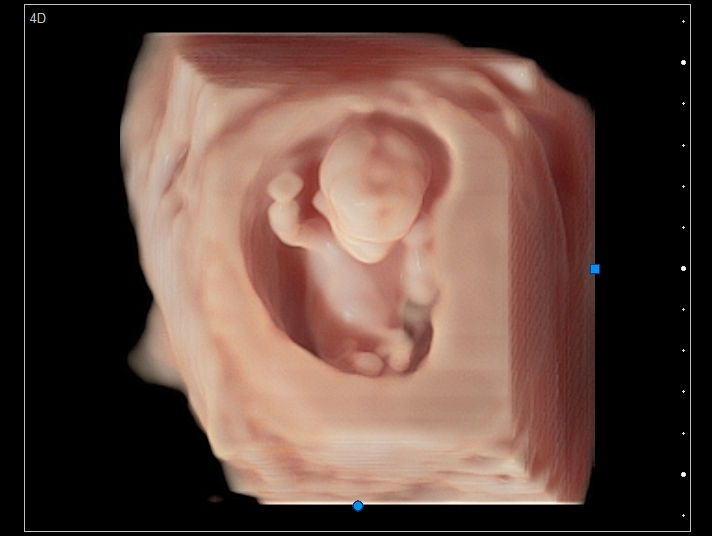
One of the most magical moments in pregnancy is feeling your baby move for the first time. Those tiny flutters soon turn into stronger kicks rolls and stretches that remind you there is a growing life inside you. Understanding the science of baby kicks can help expecting parents feel more connected to their baby while also offering reassurance about healthy development.
Baby kicks begin earlier than most people realize. While many women feel movement between eighteen and twenty two weeks of pregnancy babies start moving much sooner. As early as eight weeks fetal muscles begin to develop and by the end of the first trimester babies are already stretching and practicing movements inside the womb.
So what do baby kicks actually mean. Fetal movement is a sign of a healthy developing nervous system and muscles. As your baby grows movements become stronger and more coordinated. Kicks rolls and stretches show that your baby is responding to their environment and building strength for life outside the womb.
Baby kicks often increase after meals or when you are resting. This happens because blood sugar levels rise and provide energy for your baby to move. Many expecting mothers notice more movement at night when they finally slow down and can focus on the sensations. This is completely normal and part of typical pregnancy development.
The position of the placenta can also affect how baby kicks feel. An anterior placenta can cushion movements making them feel softer especially early on. As pregnancy progresses movements usually become easier to notice regardless of placenta placement.
Baby kicks are also influenced by sound light and touch. Babies can respond to voices music and gentle pressure on the belly. These reactions are part of sensory development and show that your baby is learning and adapting inside the womb.
Tracking baby movement later in pregnancy is an important part of prenatal care. Consistent patterns of movement are a sign of fetal well being. While every baby has their own rhythm significant changes in movement should always be discussed with a healthcare provider.
Beyond the science baby kicks have an emotional impact. They often bring comfort excitement and reassurance to expecting parents. Each movement strengthens the bond between parent and baby and makes the pregnancy feel more real and personal.
The science of baby kicks reveals just how active and responsive your baby is before birth. These movements are a powerful reminder of growth development and connection. Paying attention to baby kicks can help you feel confident informed and deeply connected throughout your pregnancy journey.


Comments